Features
He made history. Then he walked away to start again
By Sacha Pisani22 July 2026
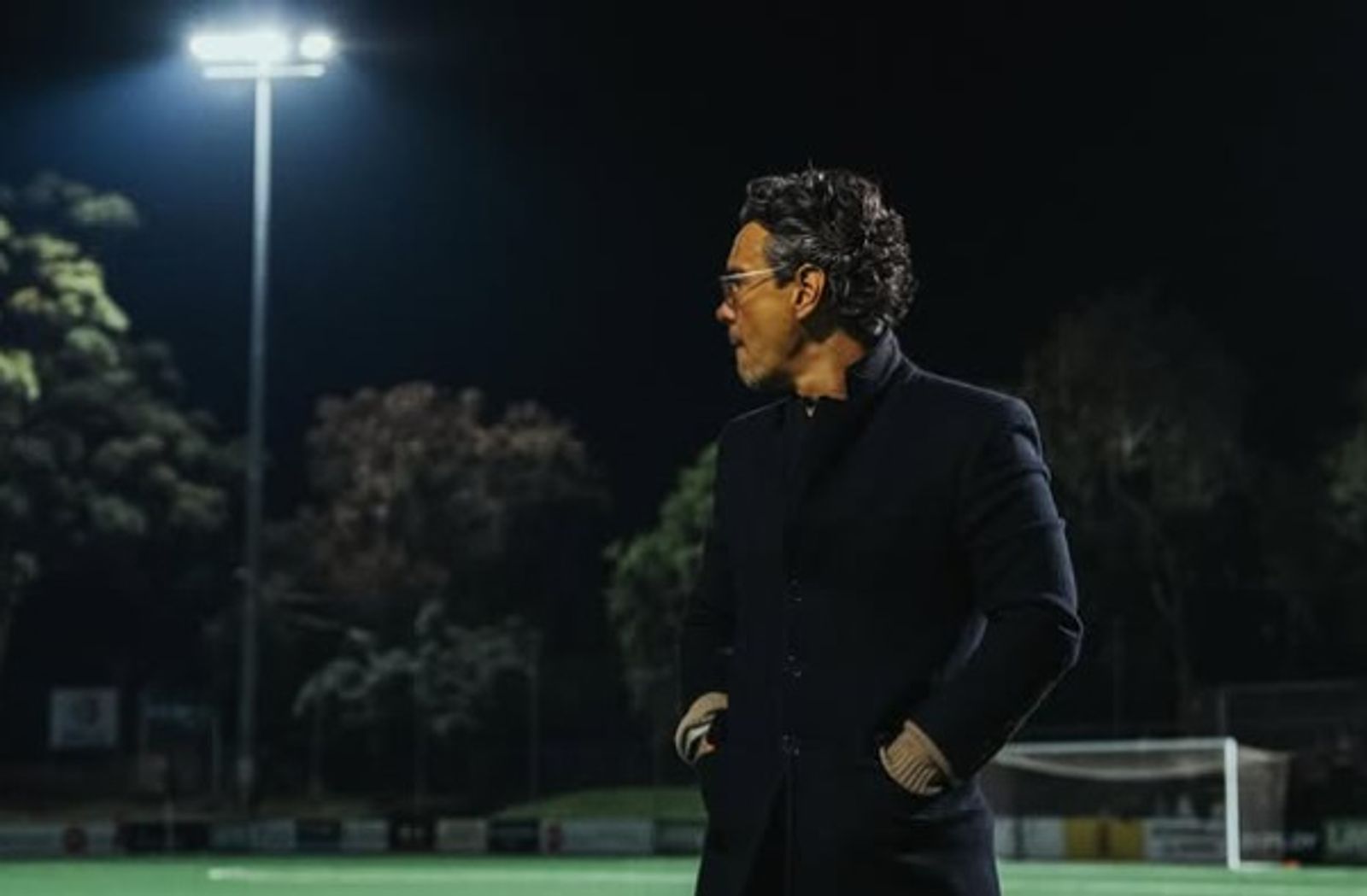
Success usually buys you time. David Perkovic earned plenty of it after guiding NSW Spirit to their first NPL NSW premiership.
Nine years of work had transformed the club into champions, culminating in one of the most memorable seasons in their history and establishing Perkovic as one of Australia's most highly-regarded coaches outside the A-League.
Most would have stayed, but Perkovic chose to leave.
For him, the achievement wasn't simply about lifting silverware. It was about knowing the project had reached its natural conclusion.
HIGHPRESS FEATURE: The smallest club in the NPL behind one of Australian football's hottest strikers
"It was a really special season, not because we won the Premiership, but because of what it represented," Perkovic told HIGHPRESS. "It was the culmination of nine years of work, relationships and belief.
"For the club, it showed that with alignment and patience you can compete with anyone. For me personally, it was incredibly rewarding because I watched players, staff and the club grow together.
"Leaving after that season felt like the right moment because we had achieved something that will always be part of the club's history."
He took NWS Spirit from the second tier to the premiership in the space of three seasons.
But that success wasn't built over one remarkable campaign. It was built over nearly a decade.
"People usually only see the games on the weekend, but they don't see the years behind it," he said.
"Every training session, every review, every recruitment decision, every difficult conversation and every setback contributes to success.
“The Premiership was the product of thousands of small decisions. Every success and every failure taught us something, and over many years those lessons accumulated into a winning environment.”
So when the ambitious Sutherland Sharks came calling ahead of the 2026 season, Perkovic wasn't looking for comfort.
He was looking for another challenge. That came in Sydney’s southern suburbs.
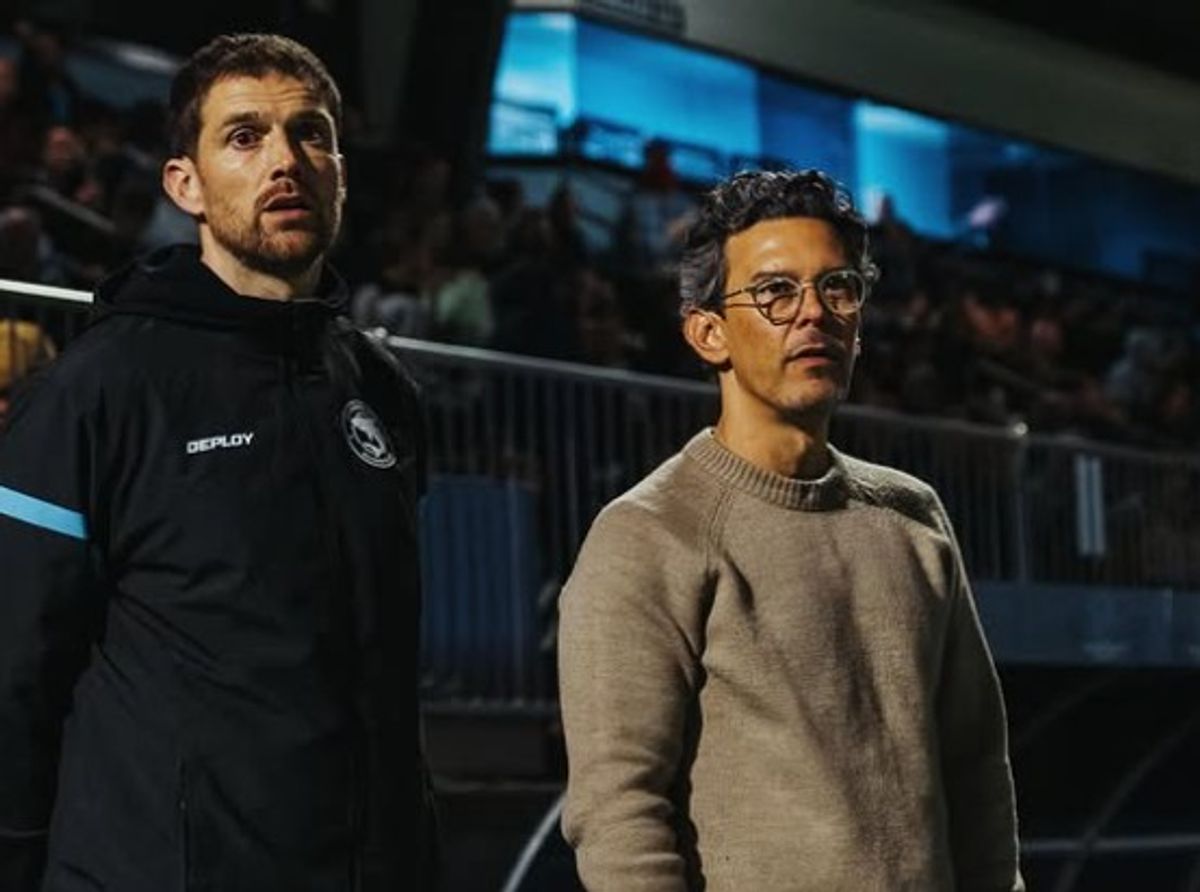
"After nine years at Spirit, it just felt like the right time," he explained.
"We had achieved something really special together, and I was looking for a challenge that would push me outside my comfort zone again.
"When I sat down with Greg (O'Rourke) and Trent (McClenahan) at Sutherland, I could feel the ambition straight away.
“They weren't just talking about winning games; they were talking about building a football club with a clear identity, strong standards and something that could be sustained over time”
"That really resonated with me because that's how I see football."
Those conversations with Sutherland president O'Rourke and general manager McClenahan - a former Olyroo and player for West Ham, convinced him he had found another long-term project.
HIGHPRESS FEATURE: The man who refused to let George Cross be forgotten
"The facilities are outstanding, the people are first class, and there was a genuine alignment in values," Perkovic continued.
"I felt like this was a club where I could contribute, continue to grow as a coach, and hopefully leave the place in a better position than when I arrived."
While the early months brought their challenges, Perkovic never doubted the direction.
Implementing a new style of play and changing a football culture is rarely immediate, particularly in a competition as demanding as NPL NSW.
"Whenever you're introducing a new way of playing and a new culture, it takes time," he said. "I always knew the start of the season would be the most challenging. New ideas take time to embed, and when results don't come immediately, pressure naturally builds.
“What impressed me most was the way the players stuck together. They believed in what we were building and found confidence through their performances.”
That patience has begun to bear fruit, with Sutherland emerging as one of the competition's form teams after losing just two of their past 10 matches.
Yet Perkovic refuses to look too far ahead.
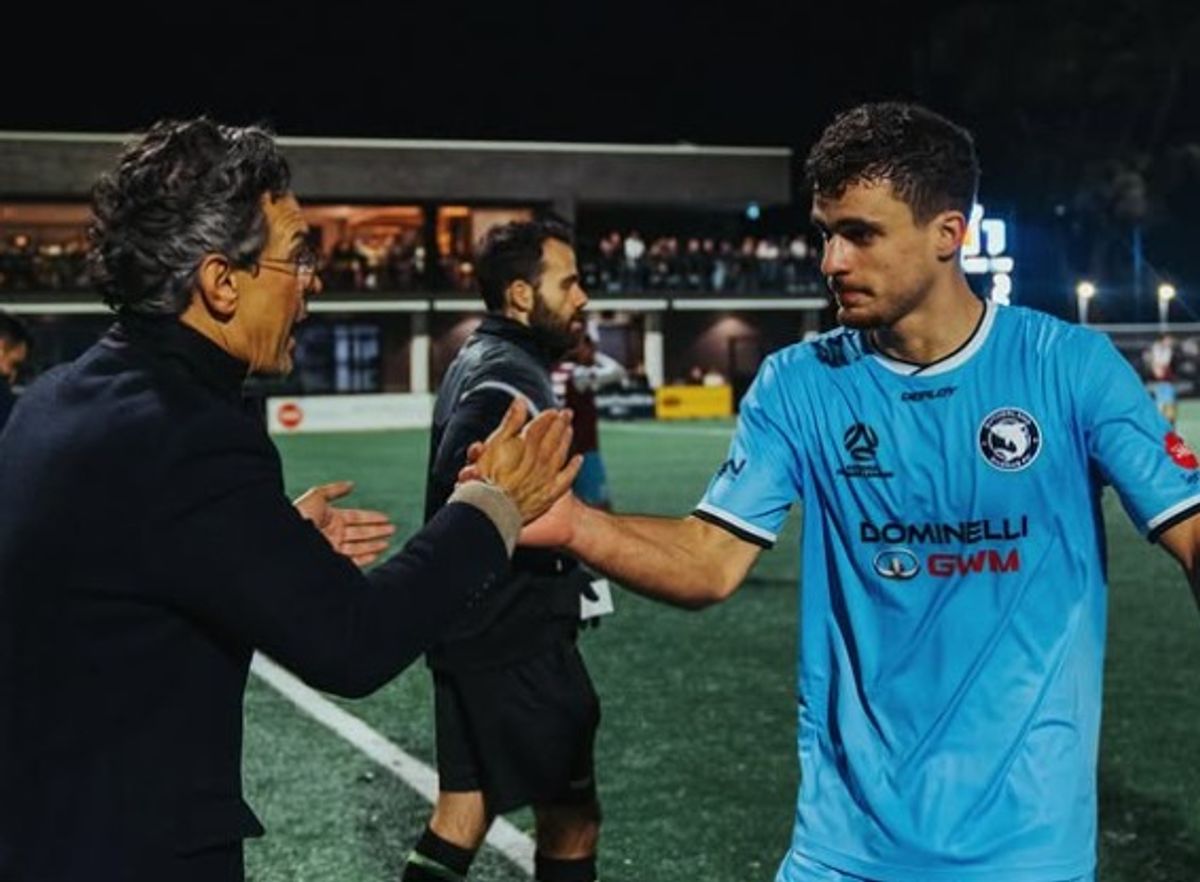
"We're certainly not getting ahead of ourselves," he insisted. "Our job now is to keep improving. We want to focus on what we're capable of becoming.
"The business end of the season is where you want to be playing your best football, and that's what we're working towards every session."
When Perkovic speaks, one thing becomes immediately obvious.
His ambition isn't attached to a league or a job title.
Despite being regarded by many as one of the country's brightest coaching prospects outside the professional game, the 44-year-old says he has never received a direct approach from an A-League club.
More importantly, he isn't chasing one.
This is a man who, walked away from football after calling it quits on his dream to be a professional player and was working in music and managing a band in 2005 before entering a competition to select a ‘Song for the Socceroos’.
His band won the SBS competition and earned the right to play their song live before Australia played Greece at the MCG 21 years ago. It relit his football flame and within four years, he landed his a gig in NPL NSW, then a pro job in the Philippines followed via Kaya FC.
HIGHPRESS INTERVIEW: Chris Taylor has built winners for decades. Australian football is still overlooking him
"I'm not a big believer in destination goals because they often rely on things that are outside your control," he said.
"My focus has always been on becoming a better coach every day and helping the club I'm at be as successful as it can be.
"I've always believed that if you consistently do good work, keep learning and keep improving, the opportunities will take care of themselves.
“My energy has always been invested in the people around me and the club I'm fortunate enough to lead. If I continue to do that well, then whatever comes next will take care of itself.”
That philosophy has also been shaped by the realities of coaching in Australia's semi-professional landscape, where football exists alongside full-time jobs, study and family commitments.
"People underestimate how challenging semi-professional football is," Perkovic said.
"Players finish a full day of work or study, battle traffic, arrive at training physically and mentally tired, and then you're asking them to perform at a very high level.
“As a coach you have to understand the person before the player. You have to manage loads, emotions, families, careers and football all at once.”
"It forces you to communicate better, prioritise what really matters and maximise every minute you have together."
Loading embed...
Ask Perkovic what inspired him to become a coach and his answer reveals why players speak so highly of him.
It starts with football but it finishes with people.
"I've always approached the game through an analytical and tactical lens, even as a player," he said. "I was fascinated by why teams win, why they lose and how small details can shape performance.
"Over time, though, I realised coaching is about so much more than tactics.
“Football gives you a unique opportunity to influence people's lives. It's about creating an environment where people can grow, not only as footballers but as people.”
"While I still love the tactical side of the game, what inspires me most is building meaningful relationships, helping people realise their potential and sharing success together."