Features
The man who refused to let George Cross be forgotten
By Sacha Pisani23 June 2026

Some of the biggest names in Australian, and Victorian football have called Caroline Springs George Cross home over the years.
From a baby-faced Kevin Muscat, John Markovski and Archie Campbell, to John Gardiner, Ernie Merrick and Chris Taylor… just to name a few. Joe Montemurro also took his first steps in senior coaching at Chaplin Reserve.
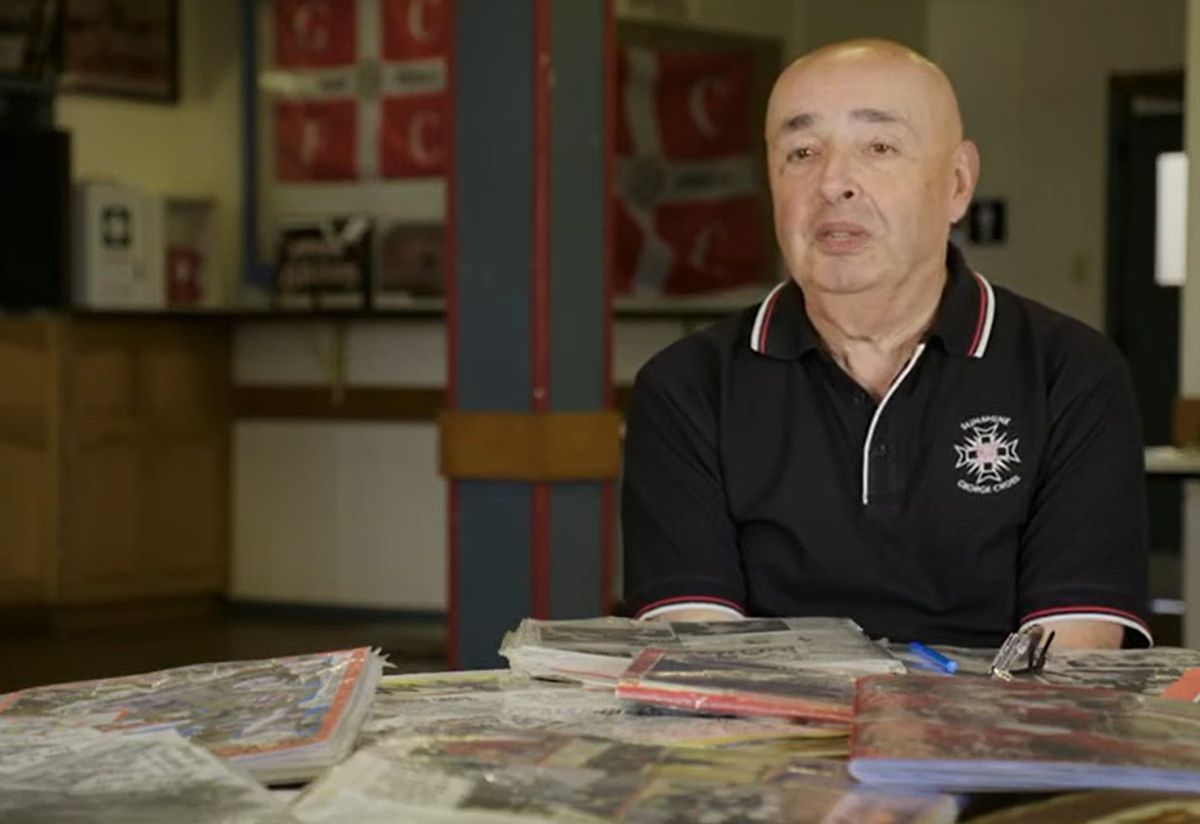
But there is one name synonymous with George Cross: Victor Brincat.
Some people support a football club. Others dedicate their lives to it. He knows everything there is to know about the 1964 Australian Cup winners.
HISTORY AWAITS: State league clubs discover their Australia Cup path
For 70 years, George Cross has been woven into the fabric of Brincat’s life.
He was just 11 years old when he attended his first match in 1956. Let that sink in.
A recent arrival to Australia, he had heard stories about a Maltese-backed football club drawing enormous crowds in Melbourne's inner north. Curious to see what all the fuss was about, he made the short walk from North Melbourne to Royal Park alongside his father and younger brother - not far from where the Royal Children’s Hospital now stands. It was convenient as his father did not own a car.
HIGHPRESS INTERVIEW: He's scored 26 goals in 13 games. The real story is what happened off the pitch
What he discovered would shape the rest of his life.
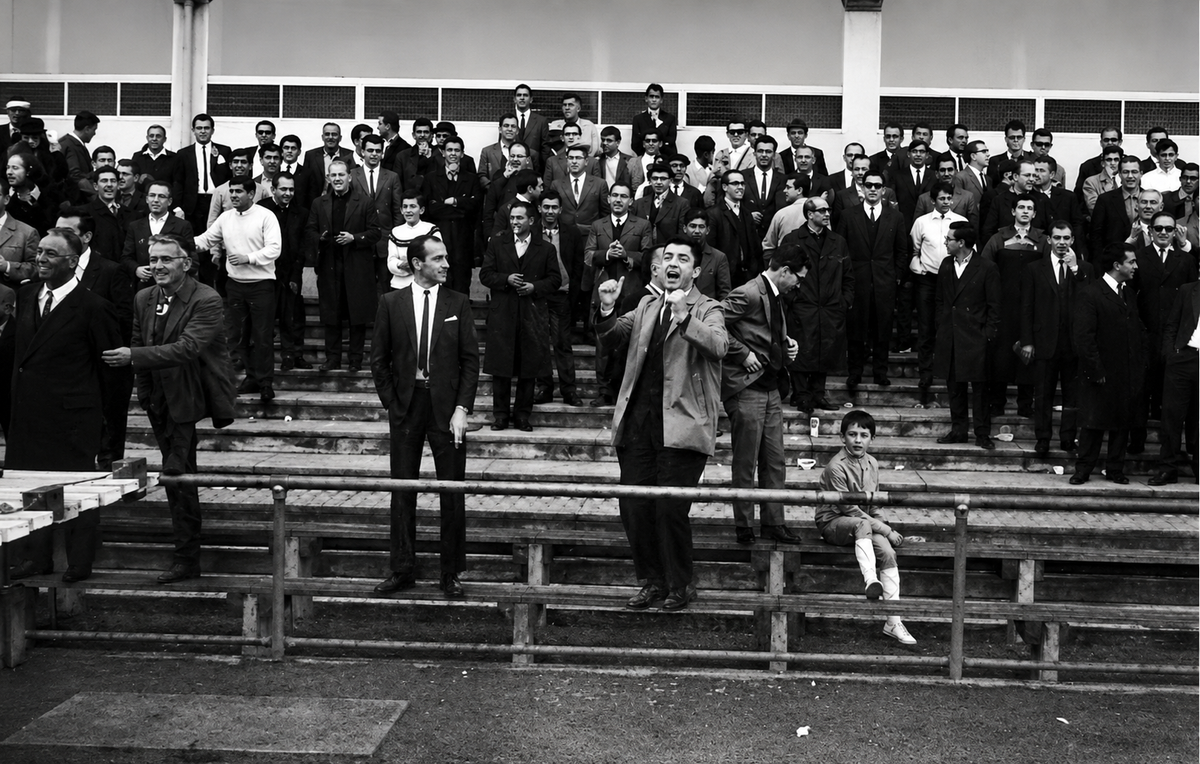
“I was immediately hooked,” Brincat told HIGHPRESS. "What I remember most were the huge crowds that followed the team in those early days.
“My passion for the team continued to grow with each passing year, and before long hardly a week went by without me travelling somewhere in Victoria to watch George Cross play.”
Royal Park was little more than an open paddock. A rope separated players and supporters, although it rarely served its purpose.
Fans surged towards the touchline wherever the ball travelled. Play was regularly interrupted by spectators spilling onto the field - that was football in the amateur era of the 1950s. More than 6,000 people would turn up to watch a second-division football club.
NPL VIC: You don't see 11-0 in NPL Victoria
NPL NSW: A wondergoal. A stoppage-time winner. A 16-year-old's first NPL NSW goal
NPL NSW: A wondergoal. A stoppage-time winner. A 16-year-old's first NPL NSW goal
For a young boy finding his feet in a new country, it was impossible not to fall in love.
"I loved the atmosphere generated by the crowd. The supporters were always boisterous, and their enthusiasm and passion for the team were second to none,” Brincat said.
The obsession only grew.
As George Cross climbed into the Victorian State League and emerged as one of the state's powerhouse clubs, he followed them everywhere. Home matches soon became away trips. Weekends became centred around football.
There were triumphs.
The greatest came in 1964, when Archie Campbell and Don Hodgson helped George Cross defeat APIA Leichhardt at Olympic Park to lift the Australia Cup.
Dockerty Cup victories, state league Cups and Ampol Cups but there were years of heartbreak and near-misses.
“It was a testing time for me and every supporter, watching the team come so close yet never bring home the championship,” he said. “Being labelled ‘always the bridesmaid, never the bride’ was difficult to endure, but through it all we remained loyal.”
But a long-awaited league championship came in 1977 under the leadership of Billy Wilkinson.
Supporting George Cross, however, was never simply about silverware. There have been plenty of lows, too.
In many ways, the club's greatest battle was survival, on more than one occasion.
Despite their on-field success, George Cross spent decades searching for a permanent home. The uncertainty nearly proved fatal.
Even the historic Olympic Park, the venue that hosted some of the club's greatest moments, eventually became a burden.
"The glory days were gone, and remaining at Olympic Park was like having a noose around the club's neck,” Brincat said.
When George Cross relocated to Chaplin Reserve in 1981 after Sunshine City agreed to share the venue, it provided stability for the next 38 years. More importantly, it gave supporters hope.
COACHING MOVES: One was coaching in VPL1. The other was analysing in the NPL. Brisbane Roar wanted both
For him, however, another concern had emerged: The club's history was disappearing.
Players came and went, championships were won and finals were played, yet little was being preserved dating back to their foundation in 1947.
That is where Brincat came in. He decided to do something about it.
George Cross are a club steeped in history, and it is thanks in part, to Brincat.
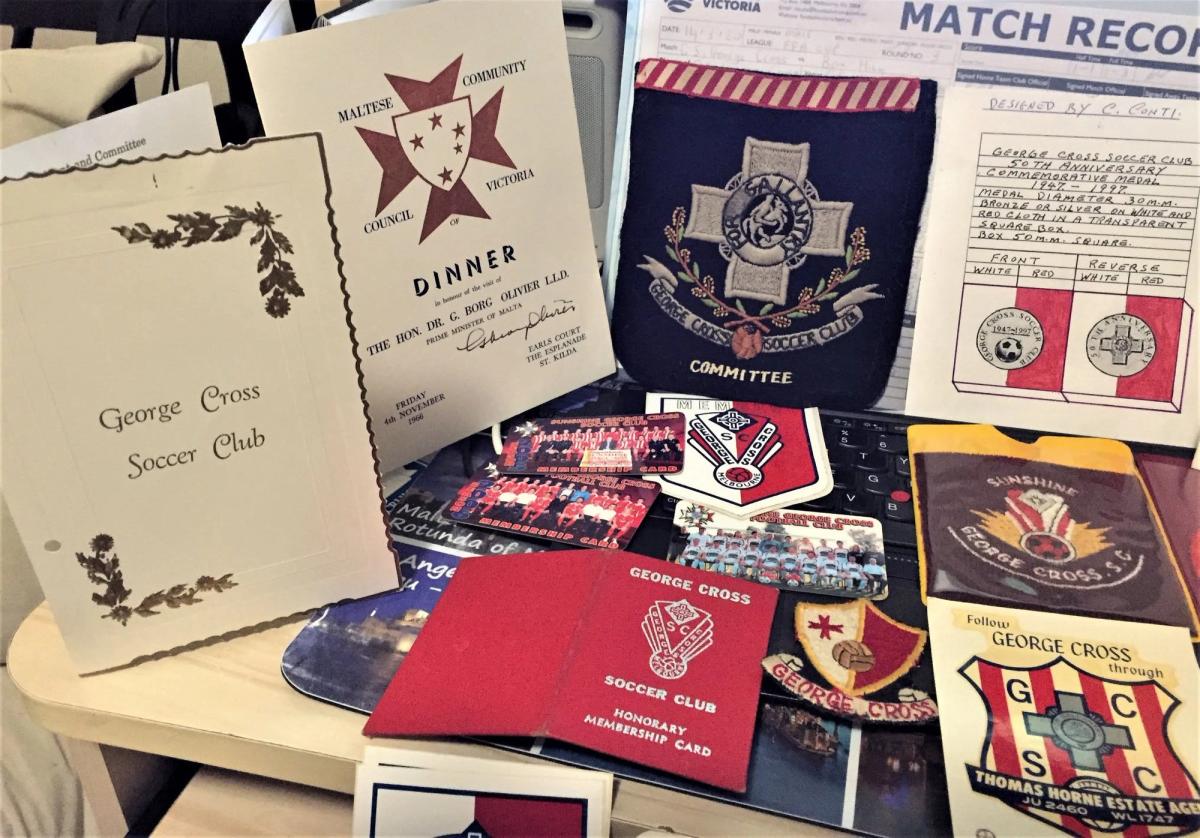
"A club with a history as rich as George Cross deserved a detailed and accurate record of its past,” he added.
What began as a personal project in 1978, evolved into a lifelong mission.
He started documenting matches, collecting records, preserving statistics and recording stories and he has continued to do so since. He contributed to match-day publications, served on committees, helped organise social functions and became one of the club's unofficial historians.
Few people have invested more of themselves into preserving the story of George Cross.
There were moments when that story appeared close to ending. None hurt more than the final match of the 2001 season.
ESSENDON’S BIG FIGHT: After 63 years, this historic club could lose their home
George Cross were humbled 8-1 by Fitzroy City in the State League first division. Fewer than a dozen supporters watched from the sidelines. It was a “painful” sight.
Brincat recalled: "The few following the team that day feared they had seen the team play their last game."
Yet the “flame was rekindled” and the club survived. Eventually, they returned.
The same club that once played in front of crowds exceeding 22,000 against Hellas and Juventus found a way back from the brink, spearheaded by legendary coach and ex-player Taylor, who guided George Cross from the third tier to the Premier League in the 2000s.
There was also one of Brincat’s “proudest moments” when the Victorian Soccer Federation reinstated Sunshine George Cross as the club’s official name. The name had been removed in 1994 when the Federation renamed the club Sunshine Georgies.

It had been a long battle ever since, involving numerous approaches to successive VSF CEOs, including the submission of petitions bearing hundreds of signatures, all of which were ignored.
Today, George Cross once again occupy a place among Victorian football's most recognisable names.
They are thriving at their new home in Caroline Springs, and back in the top flight for the first time in 15 years.
Their story survives because people cared enough to protect it. People like Brincat.
Looking back across almost seven decades of memories, heartbreaks, triumphs and countless kilometres travelled following the red and white shirt, there is little regret.
Only gratitude.
"Time has come and gone so fast, but if I was given the opportunity, I would do it all again,” Brincat said.